Party Hire Tips
Catering Equipment Hire for Better Events
Jul
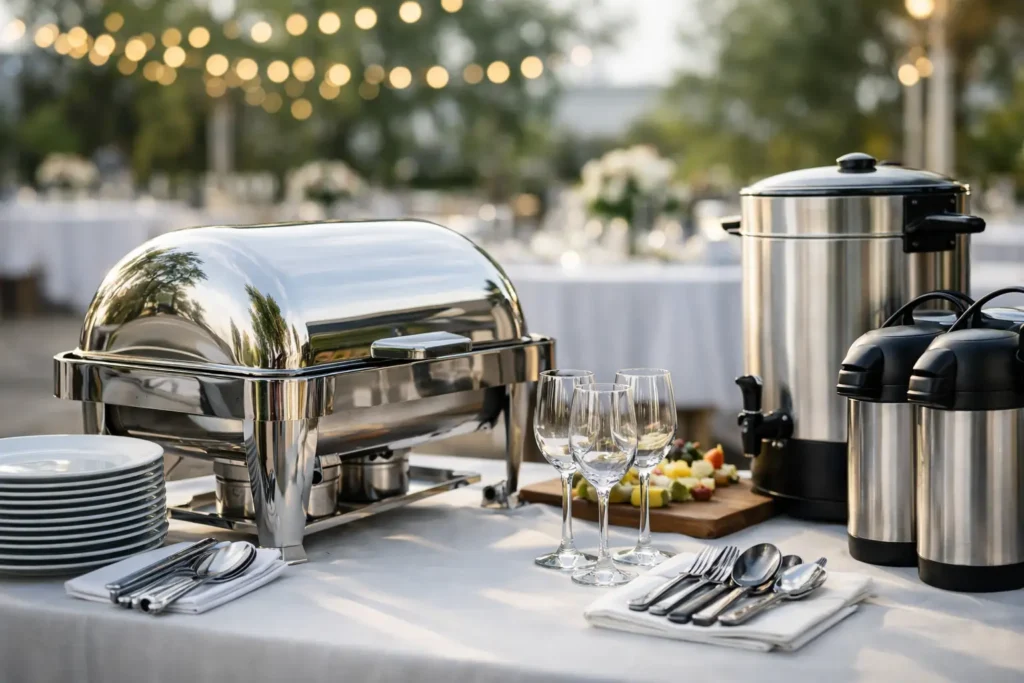
The kitchen usually gets judged long before the speeches, the dancing or the dessert table. If drinks are warm, serving runs late, or there are never enough plates when guests start queuing, people notice straight away. That is why catering equipment hire matters so much. It gives hosts, planners and venue teams a practical way to keep service moving without buying, storing or transporting a mountain of gear for a single event.
For weddings, birthdays, corporate functions and community events, the right equipment does more than fill a checklist. It supports timing, food quality and the overall feel of the occasion. A polished buffet setup, properly chilled drinks and enough glassware on hand all help the event feel organised and welcoming. Good hire choices are not just about what looks impressive – they are about making the event easier to run.
Why catering equipment hire makes sense
Buying catering gear outright sounds sensible until you look at how often most people will use it. Large urns, bain-maries, pie warmers, eskies, trestle tables and commercial-style serving pieces take up space, cost real money and often need cleaning, maintenance and storage after the event. For one-off occasions, that is hard to justify.
Hiring gives you flexibility. A backyard engagement party for 40 needs a very different setup from a school fundraiser or a 150-person corporate lunch. When you hire, you can scale up or down based on guest numbers, menu style and venue constraints. You are not stuck trying to make a home kitchen setup do the work of proper event service.
There is also the convenience factor. Many organisers are already juggling marquees, seating, lighting, bar furniture and styling details. Getting catering equipment from the same supplier can save a lot of time and reduce the risk of mismatched delivery times or forgotten essentials.
Choosing catering equipment hire based on your event
The best catering equipment hire plan starts with one simple question – how will food and drinks actually be served? A plated dinner requires very different support from a casual buffet, a cocktail event or a self-serve afternoon tea.
For buffet-style events, hot food holding is often the priority. Equipment that keeps food at serving temperature helps maintain quality and avoids that awkward rush where everything has to be eaten at once. If your menu includes substantial hot items, warming equipment becomes more important than extra display pieces.
For cocktail functions, glassware, bar tables, drink tubs and beverage service equipment tend to carry more weight. Guests move around more, service is spread across the event, and presentation matters because food and drinks are part of the atmosphere. In this format, having enough serviceware and clear collection points often matters as much as the food itself.
For family celebrations, school events and community gatherings, practicality usually wins. Trestle tables, urns, serving gear and cooling equipment can make a huge difference because they help volunteers, family members or casual staff serve large groups efficiently. These events do not always need a highly styled setup, but they do need equipment that can handle demand.
What people often forget to hire
Most hosts remember the obvious items first. Plates, cutlery, glasses and serving tables usually make the list. The trouble starts with the in-between items that keep everything functioning once guests arrive.
Water service is a common oversight. If you are hosting outdoors, particularly in warmer weather, you need a clear plan for cold drinks and easy access to water. Likewise, rubbish management, clearing stations and spare serving pieces are rarely glamorous, but they help the event stay tidy and comfortable.
Another missed detail is power and layout. Some equipment needs suitable access to power, and some items simply need more room than expected. Before finalising your hire list, it is worth checking where food prep, service and guest movement will happen. An elegant setup on paper can become cramped very quickly if tables, heating, bars and buffet stations are all competing for the same patch of floor.
Catering equipment hire and event style
Function still comes first, but style should not be ignored. Catering equipment sits in full view for much of the event, especially at weddings, corporate launches and milestone birthdays where guests notice the full setup. That does not mean every item needs to be decorative. It does mean your practical gear should work comfortably alongside the rest of the event.
A polished service area paired with the right furniture, linen and lighting helps everything feel considered. If you are already hiring marquees, dining furniture or bar setups, it makes sense to think about catering equipment as part of the same visual plan. A smooth event usually looks better because it has been planned better.
That is one reason many customers prefer a single hire partner with a broad range. Instead of piecing together infrastructure from one place, furniture from another and catering gear from somewhere else again, it is often easier to coordinate the lot through one experienced supplier. For hosts, that means fewer moving parts. For planners, it means less time spent chasing details.
How much catering equipment is enough?
This is where experience matters, because there is no perfect one-size-fits-all formula. Guest count is only the starting point. You also need to consider event duration, staff numbers, menu complexity and whether items can be washed or reused during service.
For example, a short afternoon celebration with simple platters may need less equipment than a full-day function with multiple food rounds and drinks service. A staffed event can often operate more efficiently with fewer backup pieces because there is someone actively managing turnover. A self-serve event usually needs more on hand because guests help themselves at unpredictable times.
It is also smart to allow a buffer. Glass breakages happen. Extra guests turn up. Weather changes the pace of service. Running out of a key item is far more disruptive than having a few extras on site. Good planning keeps costs sensible without cutting things too fine.
Working with your venue and suppliers
Not every venue comes with the same level of support. Some have commercial kitchens and built-in service areas. Others are essentially a blank canvas, which is often ideal for private properties, outdoor celebrations and marquee events, but it does mean you need to think more carefully about what must be brought in.
That includes not only catering equipment, but the wider event infrastructure around it. Flooring, lighting, heating, tables and traffic flow all affect how food and drink service will work. A marquee wedding, for instance, may need an entirely different service plan from a club function with an existing kitchen and bar.
This is where an experienced hire company can be genuinely useful. The goal is not just to supply individual items. It is to help customers choose equipment that suits the site, the guest numbers and the type of celebration they are trying to create. Marquee Event Hire has built much of its reputation on exactly that practical, whole-of-event thinking.
Budget without cutting corners
Most event budgets have pressure points. Catering equipment hire can actually help control costs because it lets you pay only for what you need, for the time you need it. That is often far more economical than buying equipment, especially when transport, storage and cleaning are factored in.
The trick is to spend where function matters most. If food needs to stay hot, prioritise warming equipment. If drinks service is central to the event, make sure bar and beverage items are covered properly. If your layout is spread out, extra service stations may be worth more than decorative additions.
Where some people go wrong is hiring too little and expecting staff or family members to make up the difference. That usually creates delays, stress and visible bottlenecks. A better approach is to keep the setup practical, well matched to the event and realistic about how guests will behave once things get busy.
A smarter way to plan catering equipment hire
The strongest event setups usually come from working backwards. Start with the guest experience you want – quick drinks on arrival, a relaxed buffet, a polished dinner service, easy clean-up – then choose equipment that supports that outcome. It sounds simple, but it keeps you focused on what the event actually needs rather than what looks useful in isolation.
When catering equipment hire is chosen well, guests rarely think about it at all. They just enjoy food served at the right temperature, drinks that stay cold and an event that feels easy to be part of. That is often the clearest sign the planning was right.