
Event Equipment Delivery That Keeps Plans Moving
Event Equipment Delivery That Keeps Plans Moving

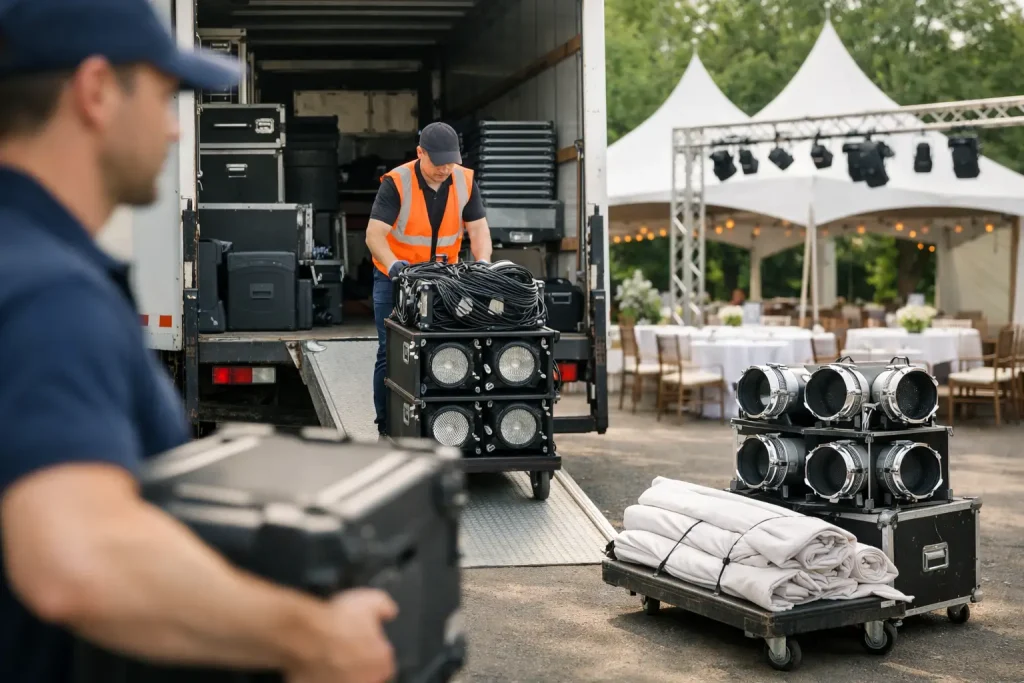
A marquee can be the centrepiece of a wedding, and a dance floor can turn a quiet room into a proper party. But neither helps if it arrives late, cannot get through the gate, or is collected before the last guest has left. Event equipment delivery is where an event plan becomes a real, working setup – and it deserves the same attention as the guest list and styling.

For Sydney events, delivery planning also has practical local factors: narrow driveways, apartment loading zones, venue curfews, busy school grounds and weekend traffic. Getting the details right early gives your suppliers time to bring the right vehicle, crew and equipment, while giving you one less thing to manage on the day.

Why event equipment delivery needs a proper plan

Hiring equipment is about more than choosing attractive chairs or finding the right size marquee. Every item has to be delivered safely, placed where it is needed and, in many cases, installed or assembled before styling, catering and guests arrive.

A small backyard birthday may only need tables, chairs, linen and a slushie machine. A corporate function could involve a marquee, flooring, lighting, bar furniture, catering equipment and bollards. The more moving parts involved, the more valuable it becomes to coordinate delivery as one clear plan rather than a series of separate drop-offs.

Working with one experienced hire partner can reduce handovers and avoid the familiar problem of trying to fit delivery windows from several suppliers into one morning. Marquee Event Hire has spent more than 25 years helping customers build complete event setups, from the infrastructure that shelters the occasion to the finishing touches that make it feel special.

Start with the site, not the shopping list

Before finalising your hire cart, look closely at where the event will be held. A product may suit the number of guests perfectly but still need a different delivery approach depending on the site.

Measure access points where possible. Note the width of gates, side paths, lifts, staircases and doorways, as well as low branches, awnings or powerlines that affect vehicle access. If equipment must travel through a home or venue, protect flooring and make sure there is a clear path without furniture, pots or other obstacles.

For marquees, access is only one part of the picture. The surface matters too. Grass, paving, concrete and uneven ground can each affect the recommended marquee type, anchoring method and installation time. Let the hire team know about slopes, garden beds, pools, fixed structures and underground services before the delivery date.

Give clear instructions for difficult access

A simple site description can prevent avoidable delays. Include the best entry point, parking advice, any stairs or tight turns, and the phone number of the person who will be on site. For apartment buildings, offices and community venues, check whether a loading dock booking, lift booking or certificate of currency is required.

It also helps to decide where the delivery vehicle can wait. Sydney streets can be busy, and a truck cannot always stop outside a venue for long. If permits, cones or a reserved loading area are needed, arrange them in advance with the venue or local authority.

Set delivery times around the real event schedule

The delivery time should be based on when the space needs to be ready, not simply when guests arrive. If a ceremony starts at 3 pm, florists, caterers, stylists, musicians and venue staff may all need access well before then.

Marquees, flooring and larger furniture packages generally need to be installed first. Once the structure is in place, tables and chairs can be positioned, linen can be dressed, lighting can be fitted and decorative elements can be added without crews working around each other. A well-sequenced setup protects the look of the event and gives every supplier room to do their job.

For a backyard event, consider neighbours and local noise expectations when booking an early setup. For venues, confirm their access hours and whether deliveries are allowed outside public opening times. It depends on the location, but allowing a comfortable buffer is nearly always wiser than scheduling every supplier back-to-back.

Separate setup time from guest time

Make a run sheet that shows four key points: when the site becomes available, when each supplier arrives, when styling and catering begin, and when guests enter. Share any changes with all relevant suppliers as soon as you know them.

This is especially useful for weddings and corporate events where a late change can affect many people. A delayed delivery of bar stools may be manageable. A delayed marquee installation in wet weather affects the entire day.

Match the delivery service to the equipment

Not all hire items require the same handling. Stackable chairs and trestle tables may be dropped at a practical location for you to set up. Larger items, such as marquees, dance floors, staging, heating and some lighting, often require a trained crew to install them correctly.

Be specific about what you expect to be included. Ask whether delivery is to the kerb, to a ground-floor entrance, into the event space, or includes placement and installation. This avoids assumptions about who will carry equipment up stairs, move it across a lawn or assemble it on site.

The same thinking applies to collection. Decide whether you need the equipment collected after the event, the next morning or on another agreed date. Late-night pack-down can suit some venues, while next-day collection may be more practical for a private home, provided the equipment can be kept dry, secure and accessible.

Prepare the site before the truck arrives

A little preparation makes a significant difference. Mow lawns and remove pet waste before marquee or furniture delivery. Move vehicles from driveways and clear hoses, toys, bins and garden furniture from access paths. If rain is forecast, identify a dry place for smaller items and make sure electrical equipment will not be left exposed.

Have one person available to greet the delivery crew and confirm placement. They do not need to make every styling decision, but they should know where the marquee, tables, bar, dance floor or entertainment equipment belongs. If you are coordinating a large event, mark key zones on a simple site plan.

For equipment that uses power, check outlets and extension leads ahead of time. Heating, lighting, fairy floss machines, slushie machines and catering equipment all have different requirements. Avoid overloading a single domestic power point, and speak with your hire provider if you are unsure about suitable power access.

Keep the collection easy and safe

The event may be over, but the delivery plan is not finished until collection is complete. Gather hired items in the agreed location, remove personal decorations and ensure glassware, plates or equipment are reasonably clean as instructed. Do not attempt to dismantle installed structures unless you have been asked to do so.

Keep chairs and tables dry where possible, especially after an outdoor celebration. Return linen separately from general rubbish, and check under tables, in marquees and around the bar for small hired items. It is much easier to find a missing ottoman, heater remote or serving utensil before the collection crew arrives.

If weather, venue access or the event timetable changes, contact the hire company promptly. Early notice gives everyone the best chance to adjust safely and keep the occasion on track.

A memorable event should feel effortless to guests, even when there is plenty happening behind the scenes. Treat delivery access, setup timing and collection as part of the event design, and your hired equipment can do exactly what it is there to do: create a comfortable, polished space for people to celebrate.

Event Equipment Delivery That Keeps Plans Moving

Event Equipment Delivery That Keeps Plans Moving

A marquee can be the centrepiece of a wedding, and a dance floor can turn a quiet room into a proper party. But neither helps if it arrives late, cannot get through the gate, or is collected before the last guest has left. Event equipment delivery is where an event plan becomes a real, working setup – and it deserves the same attention as the guest list and styling.

For Sydney events, delivery planning also has practical local factors: narrow driveways, apartment loading zones, venue curfews, busy school grounds and weekend traffic. Getting the details right early gives your suppliers time to bring the right vehicle, crew and equipment, while giving you one less thing to manage on the day.

Why event equipment delivery needs a proper plan

Hiring equipment is about more than choosing attractive chairs or finding the right size marquee. Every item has to be delivered safely, placed where it is needed and, in many cases, installed or assembled before styling, catering and guests arrive.

A small backyard birthday may only need tables, chairs, linen and a slushie machine. A corporate function could involve a marquee, flooring, lighting, bar furniture, catering equipment and bollards. The more moving parts involved, the more valuable it becomes to coordinate delivery as one clear plan rather than a series of separate drop-offs.

Working with one experienced hire partner can reduce handovers and avoid the familiar problem of trying to fit delivery windows from several suppliers into one morning. Marquee Event Hire has spent more than 25 years helping customers build complete event setups, from the infrastructure that shelters the occasion to the finishing touches that make it feel special.

Start with the site, not the shopping list

Before finalising your hire cart, look closely at where the event will be held. A product may suit the number of guests perfectly but still need a different delivery approach depending on the site.

Measure access points where possible. Note the width of gates, side paths, lifts, staircases and doorways, as well as low branches, awnings or powerlines that affect vehicle access. If equipment must travel through a home or venue, protect flooring and make sure there is a clear path without furniture, pots or other obstacles.

For marquees, access is only one part of the picture. The surface matters too. Grass, paving, concrete and uneven ground can each affect the recommended marquee type, anchoring method and installation time. Let the hire team know about slopes, garden beds, pools, fixed structures and underground services before the delivery date.

Give clear instructions for difficult access

A simple site description can prevent avoidable delays. Include the best entry point, parking advice, any stairs or tight turns, and the phone number of the person who will be on site. For apartment buildings, offices and community venues, check whether a loading dock booking, lift booking or certificate of currency is required.

It also helps to decide where the delivery vehicle can wait. Sydney streets can be busy, and a truck cannot always stop outside a venue for long. If permits, cones or a reserved loading area are needed, arrange them in advance with the venue or local authority.

Set delivery times around the real event schedule

The delivery time should be based on when the space needs to be ready, not simply when guests arrive. If a ceremony starts at 3 pm, florists, caterers, stylists, musicians and venue staff may all need access well before then.

Marquees, flooring and larger furniture packages generally need to be installed first. Once the structure is in place, tables and chairs can be positioned, linen can be dressed, lighting can be fitted and decorative elements can be added without crews working around each other. A well-sequenced setup protects the look of the event and gives every supplier room to do their job.

For a backyard event, consider neighbours and local noise expectations when booking an early setup. For venues, confirm their access hours and whether deliveries are allowed outside public opening times. It depends on the location, but allowing a comfortable buffer is nearly always wiser than scheduling every supplier back-to-back.

Separate setup time from guest time

Make a run sheet that shows four key points: when the site becomes available, when each supplier arrives, when styling and catering begin, and when guests enter. Share any changes with all relevant suppliers as soon as you know them.

This is especially useful for weddings and corporate events where a late change can affect many people. A delayed delivery of bar stools may be manageable. A delayed marquee installation in wet weather affects the entire day.

Match the delivery service to the equipment

Not all hire items require the same handling. Stackable chairs and trestle tables may be dropped at a practical location for you to set up. Larger items, such as marquees, dance floors, staging, heating and some lighting, often require a trained crew to install them correctly.

Be specific about what you expect to be included. Ask whether delivery is to the kerb, to a ground-floor entrance, into the event space, or includes placement and installation. This avoids assumptions about who will carry equipment up stairs, move it across a lawn or assemble it on site.

The same thinking applies to collection. Decide whether you need the equipment collected after the event, the next morning or on another agreed date. Late-night pack-down can suit some venues, while next-day collection may be more practical for a private home, provided the equipment can be kept dry, secure and accessible.

Prepare the site before the truck arrives

A little preparation makes a significant difference. Mow lawns and remove pet waste before marquee or furniture delivery. Move vehicles from driveways and clear hoses, toys, bins and garden furniture from access paths. If rain is forecast, identify a dry place for smaller items and make sure electrical equipment will not be left exposed.

Have one person available to greet the delivery crew and confirm placement. They do not need to make every styling decision, but they should know where the marquee, tables, bar, dance floor or entertainment equipment belongs. If you are coordinating a large event, mark key zones on a simple site plan.

For equipment that uses power, check outlets and extension leads ahead of time. Heating, lighting, fairy floss machines, slushie machines and catering equipment all have different requirements. Avoid overloading a single domestic power point, and speak with your hire provider if you are unsure about suitable power access.

Keep the collection easy and safe

The event may be over, but the delivery plan is not finished until collection is complete. Gather hired items in the agreed location, remove personal decorations and ensure glassware, plates or equipment are reasonably clean as instructed. Do not attempt to dismantle installed structures unless you have been asked to do so.

Keep chairs and tables dry where possible, especially after an outdoor celebration. Return linen separately from general rubbish, and check under tables, in marquees and around the bar for small hired items. It is much easier to find a missing ottoman, heater remote or serving utensil before the collection crew arrives.

If weather, venue access or the event timetable changes, contact the hire company promptly. Early notice gives everyone the best chance to adjust safely and keep the occasion on track.

A memorable event should feel effortless to guests, even when there is plenty happening behind the scenes. Treat delivery access, setup timing and collection as part of the event design, and your hired equipment can do exactly what it is there to do: create a comfortable, polished space for people to celebrate.