Party Hire Tips
Corporate Event Trends Shaping Sydney Functions
Oct
A corporate event can look polished in the run sheet and still fall flat on the day. Guests remember whether they could hear each other, find a comfortable seat, escape the heat and feel part of something worth attending. That is why corporate event trends are moving beyond surface-level styling. The strongest functions now pair a clear brand experience with thoughtful infrastructure, flexible layouts and the practical details that make people want to stay.
For Sydney businesses, this shift is especially useful. A product launch on a waterfront lawn, a staff celebration in a warehouse courtyard or a client dinner at the office all need a different approach. The right hire choices help organisers create an impressive environment without buying equipment that may only be used once.
Corporate event trends are becoming more guest-first
The era of rows of chairs, a long presentation and a quick drink afterwards is not entirely gone, but it is no longer the default for every business gathering. Companies are designing events around how people will move, talk, eat and participate. This means giving guests more than one way to experience the occasion.
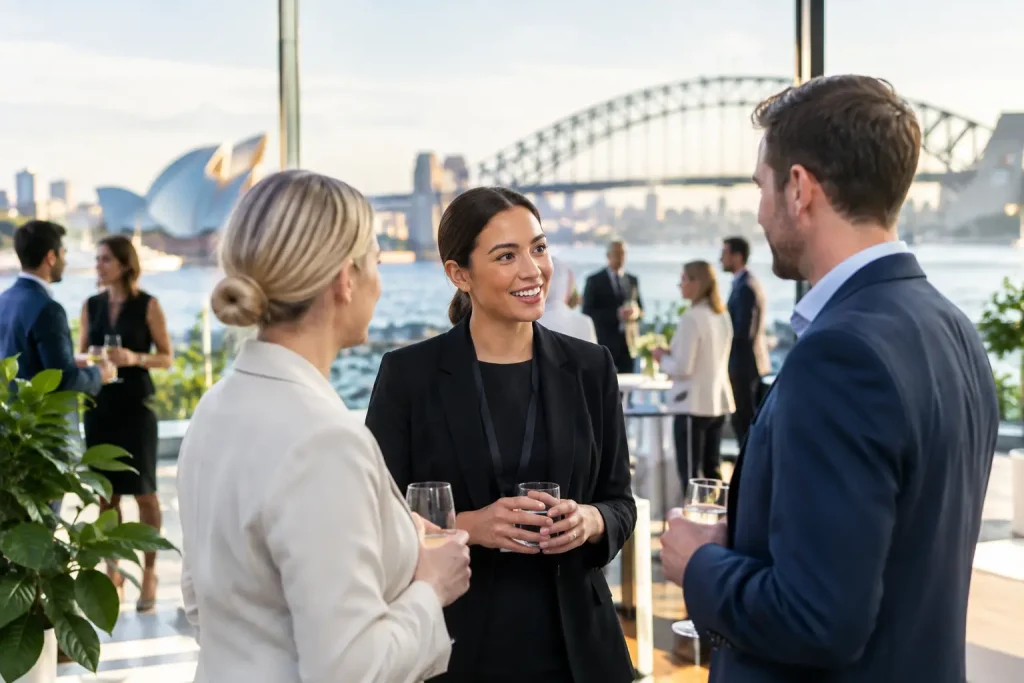
A conference-style presentation may still need theatre seating and a stage, while the networking component benefits from bar tables, stools, lounge furniture and clear pathways between spaces. A mix of seated and standing zones gives guests choice, which is particularly valuable for longer events and diverse teams.
Comfort is now part of the brand impression. In warmer months, shade, airflow and cold drinks are not extras. In winter, reliable heating, covered walkways and well-lit entrances make a significant difference. These decisions do not need to be flashy to be memorable. They show guests that the host has planned for the real experience, not just the photos.
Outdoor events need a proper plan B
Outdoor corporate functions remain popular because they create room for larger guest numbers, fresh-air networking and a more relaxed atmosphere. They also make it easier to transform a familiar office car park, garden or open venue into something special. But an outdoor event cannot rely on good weather alone.
Marquees are increasingly used as the foundation of the event rather than a last-minute rain cover. They define the footprint, protect catering and entertainment equipment, and give organisers more control over layout, lighting and décor. Depending on the occasion, a marquee can hold a formal dinner, provide a covered arrival area or create separate spaces for presentations and post-event drinks.
The trade-off is that outdoor events require earlier planning. Ground conditions, access for delivery vehicles, power, weather protection and guest flow all affect the setup. Booking infrastructure early leaves more options for marquee sizing, furniture combinations and styling that fits the event rather than simply filling available space.
Flexible layouts are replacing one-purpose rooms
A single large space can work beautifully, but it needs to work hard. One of the most practical corporate event trends is zoning: creating distinct areas for arrival, formal content, food service, networking and entertainment within one venue footprint.
For example, guests may enter through a branded welcome point, move into a presentation area, then gather around a bar and cocktail furniture once the formalities finish. For an awards night, dining tables can take centre stage while a dance floor and lounge area encourage people to linger afterwards. The furniture does more than furnish the space. It signals what guests are meant to do there.
This approach also helps with events that have changing numbers across the day. A daytime workshop might begin with all attendees seated, then open into a more social evening function for staff, clients or partners. Hire furniture allows organisers to build for both moments without compromising either.
Brand moments are getting more tactile
Corporate branding is becoming less about placing a logo on every surface and more about creating a setting that feels recognisably connected to the business. Colour, lighting, florals, furniture style, menu presentation and entertainment can all reinforce the theme without turning the event into an advertisement.
For a modern product launch, clean bar furniture, statement lighting and a defined demonstration space may be more effective than excessive signage. A family-friendly community event might call for colourful kids’ furniture, activity stations, fairy floss or a jumping castle alongside practical seating for parents. The right choice depends on who is attending and what they need from the day.
There is a balance to strike. A heavily themed event can generate strong photos and social content, but only if it still feels comfortable and authentic. If budget is tight, invest first in the elements guests will use most: weather cover, seating, tables, lighting and food or drink service. Styling is most successful when it builds on a functional base.
Food and drink stations encourage better conversation
A seated meal still suits formal dinners, recognition nights and certain client events. Yet many businesses are choosing food and beverage stations for at least part of their function. They make an event feel more relaxed, create natural conversation points and prevent guests from remaining in the same groups all evening.
Mobile bars, wine barrels, cocktail tables and well-positioned catering equipment can turn service into an active part of the room. The goal is not to create queues or clutter. It is to distribute guests across the space and keep the atmosphere moving.
Consider the timing as much as the menu. A quick networking breakfast needs efficient coffee and clear standing areas. An afternoon launch may suit grazing-style service and drinks tables. A longer evening celebration needs enough seating for guests to rest, eat and talk comfortably. The best layout supports the schedule rather than fighting it.
Lighting is doing more than setting the mood
Lighting has become one of the most effective ways to change an event from functional to memorable. It helps guests navigate an outdoor site after dark, draws attention to a stage or product display, and gives photos a more polished finish. Fairy lights can soften a marquee ceiling, while practical event lighting keeps entrances, catering areas and walkways safe.
The key is to plan lighting with the event timeline in mind. A venue that feels bright and welcoming at 4 pm can become difficult to navigate by 7 pm. If presentations, awards or live entertainment are planned, the lighting needs of those moments should be considered before furniture and décor are locked in.
Entertainment is becoming a reason to stay
Corporate entertainment is no longer limited to background music while guests make their way home. Businesses are using interactive elements to extend dwell time and make the event feel less transactional. This could be a DJ for a staff party, a dance floor after an awards presentation or light-hearted additions that suit a family day or community activation.
Not every function needs a big entertainment feature. For a client briefing, a calm setting and good hospitality may be the right fit. For an end-of-year celebration, however, entertainment can be the difference between guests leaving after dinner and staying long enough to build genuine connection.
The practical question is whether the activity suits the audience, the available space and the event purpose. If it does, allow room for it from the beginning. Squeezing a dance floor or entertainment setup into a leftover corner rarely delivers the result organisers had in mind.
One supplier can simplify the event build
As events become more detailed, supplier coordination can quickly become the most stressful part of planning. Separate providers for cover, tables, chairs, linen, bars, heating, lighting and catering equipment can create delivery clashes, inconsistent styling and a lot of last-minute follow-up.
A broad hire catalogue makes it easier to build a coordinated package around the event format. At Marquee Event Hire, that can mean starting with the marquee and adding the furniture, lighting, climate comfort and service equipment needed to make the site ready for guests. It is a practical way to keep the setup cohesive while reducing the number of moving parts.
The best corporate events do not chase every new idea. They select trends that make the occasion easier to attend, more enjoyable to experience and more aligned with the business hosting it. Start with what guests need to feel welcome, then choose the infrastructure and finishing touches that give the event its own reason to be remembered.