
Party Hire Tips
How to Hire Event Furniture Without the Fuss
Jul
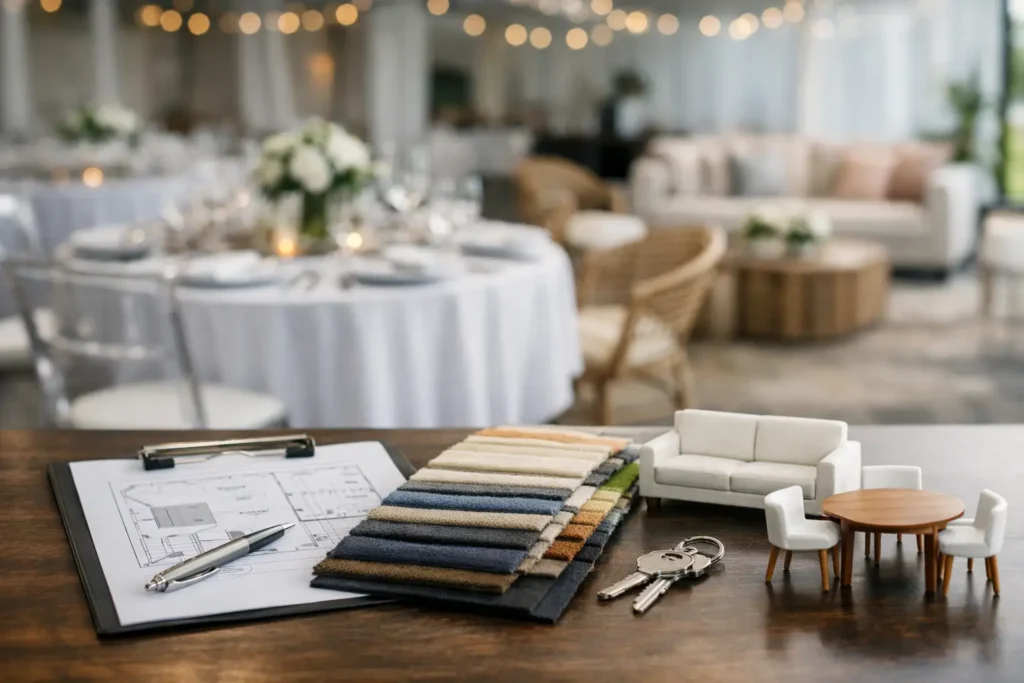
A beautiful chair can still be the wrong chair if it leaves guests squeezed around a table, blocks a service path or sinks into a damp lawn. Knowing how to hire event furniture starts with the practical details that make an occasion feel effortless for guests – then brings in the style that makes it memorable.
Whether you are planning a wedding reception, a milestone birthday, a school function or a corporate launch, hired furniture lets you create the right setting without buying, storing or transporting equipment you may only use once. The best result comes from planning the room as people will actually use it, not simply choosing items that look good in a product image.
Start with the event, not the furniture
Before browsing chairs, tables and bar stools, define what the event needs to achieve. A sit-down wedding dinner needs a very different layout from a cocktail party, where guests circulate freely and need places to perch, put down a drink and chat. A corporate presentation requires clear sightlines to the speaker, while a children’s party needs sturdy, age-appropriate furniture and generous play space.
Write down your event date, venue address, guest numbers, start and finish times, and the main activities planned. Include whether food will be served, whether guests will be seated for it, and whether you need a dance floor, stage, bar or entertainment area. These decisions determine the furniture mix far more reliably than a colour palette alone.
Guest numbers deserve particular care. Confirm whether your figure is the number invited or the number expected to attend. For a formal meal, hire enough seats for every expected guest. For cocktail-style events, not everyone needs a chair, but a thoughtful combination of bar tables, stools, lounges and occasional seating gives guests of all ages somewhere comfortable to gather.
Measure the venue before you hire event furniture
The room, backyard, hall or marquee has a fixed footprint. Furniture needs to fit within it while leaving enough circulation space for guests, wait staff and suppliers. Ask the venue for a floor plan with usable dimensions, rather than relying on a broad description such as “large function room”. If the event is at home, measure the area yourself and note garden beds, trees, pools, steps, power points and narrow access points.
A layout should account for more than tables and chairs. Allow room for guests to pull chairs back, for catering staff to carry plates, and for people to move between the entrance, bar, bathrooms and dance floor. A packed floor plan can make even a generous venue feel uncomfortable.
Also check the surface underfoot. Folding chairs and trestle tables may be suitable for a level paved area, while a lawn can call for more consideration, particularly after rain. If you are hiring a marquee, plan the structure and furniture together. The marquee establishes the usable event space, and its size, entrances and pole positions affect where tables, lounges and service areas can sit.
Access matters just as much as floor space. Tell your hire company about stairs, lifts, tight gates, long carries from the street, loading restrictions and difficult driveways. This helps delivery and collection run to plan and avoids a last-minute reshuffle on the day.
Choose a furniture style that supports the occasion
Furniture sets the tone quickly. Timber tables and bentwood-style chairs can suit a relaxed garden wedding or rustic celebration. Crisp white furniture and tailored linen can create a clean, formal look. Black cocktail tables, stools and bar furniture often work well for corporate functions, launches and evening events. Lounge seating and ottomans can soften a large space and encourage guests to stay longer.
The key is consistency, not making every item identical. Choose one main furniture style, then add complementary pieces that serve a purpose. For example, dining tables and chairs can be paired with a bar area for arrivals, while a lounge corner gives grandparents, parents and quieter guests a comfortable place to take a break from the dance floor.
Think about the practical experience of each choice. Light-coloured upholstered pieces may not be ideal near a busy food station or muddy outdoor entrance. High bar stools look sharp but are less accessible for some guests. Long communal tables create a sociable atmosphere, although they may be harder to position in a narrow room than round tables. There is rarely one perfect option – there is simply the option that best suits your space, guest mix and schedule.
Match tables and seating to food service
Food service is one of the quickest ways to work out what to hire. For a plated meal, each guest needs a proper place setting, so table size, chair quantity and linen all need to align. Leave enough room for plates, glassware, centrepieces and shared dishes without crowding guests.
For buffet service, plan a dedicated food table and ensure the buffet does not create a bottleneck at the entrance or bar. Cocktail catering usually needs a spread of bar tables and low tables, rather than one large dining setup. This gives guests surfaces for drinks and canapés while keeping traffic moving.
Do not overlook support furniture. A cake table, gift table, signing table, presents area, catering trestles and bar back table can all be small additions that solve big problems. If you are supplying your own drinks, consider where ice, glassware, tubs and rubbish will go before the event begins.
Build a complete hire list
Once the layout and style are taking shape, create one working list that includes every area of the event. Keep the quantities beside each item and revisit them after you finalise RSVPs. A practical event furniture order may cover:
- dining tables, chairs and table linen
- cocktail tables, bar stools and bar furniture
- lounge seating, ottomans and occasional tables
- cake, gift, catering and display tables
- dance floors, lighting, heating or cooling where required
Hiring from one supplier can make this process easier because the furniture, marquee, lighting and styling essentials can be planned as one package. For Sydney events, Marquee Event Hire can help bring these moving parts together with a broad hire range built around real celebrations, from backyard parties to larger commercial functions.
Set a budget that protects the essentials
Furniture hire is usually priced per day, but the total event cost also depends on delivery, collection, installation and any venue-specific requirements. Start with the non-negotiables: seating, dining tables, weather protection, food service and lighting. Then allocate what remains to upgrades such as lounges, statement bars or extra styling details.
It can be tempting to cut chair numbers for a cocktail event or squeeze in one more table to reduce costs. Usually, that saving is felt by guests. Comfort, access and weather preparedness are wiser places to invest. If the budget is tight, simplify the furniture style and prioritise a clear, well-spaced layout over too many decorative pieces.
Ask for clear confirmation of the hire period, delivery window, collection timing and what is included in the quoted price. If your event runs late, or access is only available at certain times, raise it early. Good planning gives everyone more options.
Book early, then confirm the details
Popular furniture styles, marquee sizes and peak dates can book out well ahead, especially during wedding season and around Christmas functions. Once the date and venue are locked in, reserve the key pieces. You can often refine smaller details later, but leaving the essentials until the final weeks can limit your choices.
Before delivery, do one final check of quantities, colours, measurements and the site plan. Confirm who will be on site, where the delivery vehicle can stop, and whether the area will be clear and accessible. If you are hosting at home, move cars, outdoor toys, pot plants and other obstacles before the crew arrives.
A well-hired furniture package should do more than fill a space. It should give people a comfortable place to eat, celebrate, talk and make the most of the occasion. Start with how guests will move through the event, choose pieces that suit that experience, and the polished look will follow naturally.