
Party Hire Tips
Party Marquees That Make Every Event Easier
Aug
A backyard can feel too small the moment the guest list grows, the weather shifts or the catering arrives. Party marquees give you a defined, protected space where guests can eat, mingle and celebrate comfortably, without leaving the success of the occasion to chance.
For a wedding reception, milestone birthday, corporate function or school event, a marquee is more than cover from sun and rain. It creates the foundation for the whole setup. Once the structure is in place, it becomes far easier to plan tables, seating, lighting, a dance floor, bar service and the all-important flow of people through the event.
Why party marquees are the starting point for a great event
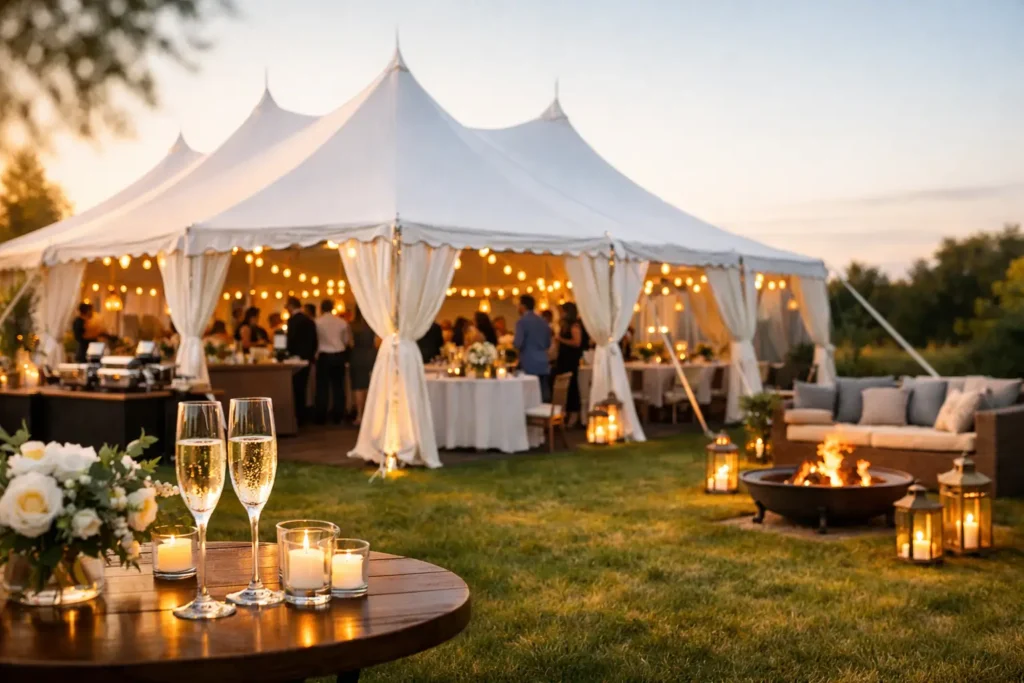
A well-chosen marquee turns an open lawn, driveway, courtyard or venue forecourt into a purpose-built event space. It gives your celebration visual structure while allowing you to choose the atmosphere. Keep it relaxed with timber trestle tables, wine barrels and festoon-style lighting, or create a more formal setting with linen-covered tables, dressed chairs and a defined dance floor.
The practical benefits matter just as much. Sydney weather can deliver strong sunshine, a cool evening breeze and a sudden shower in the same week. A marquee helps protect guests, food, flowers and hired furniture from the elements. It also means your plans do not need to change simply because the forecast is less than perfect.
For hosts, the biggest advantage is flexibility. Unlike a fixed venue, party marquees can be matched to the available footprint and the way you want people to use it. A long, narrow space may suit a clearspan-style layout with dining on one side and a bar at the other. A large backyard may allow room for a dedicated dining marquee plus a smaller covered area for catering or children’s activities.
Choosing the right party marquee size
The right size depends on more than guest numbers. You need to consider whether everyone will be seated at once, whether food is being served as a sit-down meal or cocktail-style catering, and how much room is needed for entertainment, speeches or dancing.
A cocktail event can usually work with a more compact layout because guests are moving between bar tables, lounge seating and food stations. A formal meal needs more space between tables, room for chairs to be pulled out, service access and a clear route for guests. If you are adding a dance floor, bar furniture or a stage area, allow for those early rather than trying to squeeze them in later.
Site conditions are equally important. Measure the usable area, not just the overall yard or venue size. Account for garden beds, pools, retaining walls, trees, uneven ground and access paths. Consider where delivery vehicles can stop, how equipment will be carried into place and whether guests can enter without walking across wet grass or through a service area.
It is also worth planning for comfort rather than hiring the smallest structure that technically fits. A little extra room makes a significant difference when guests arrive in groups, staff are serving food or everyone heads indoors after a weather change.
Think about the event as it moves
Most successful events have distinct moments: arrival drinks, meals or grazing, speeches, dancing, cake cutting and the final catch-up before guests leave. Your layout should support those transitions.
For example, placing the bar near the entrance can create an immediate welcome, but it should not block the main walkway. A dance floor works best where it can become a focal point after dinner, without forcing seated guests to move their chairs. Catering equipment and service tables should be accessible for staff while staying out of guests’ sightlines.
A marquee gives you the blank canvas. The layout is what makes it work hard for the occasion.
Build a complete setting, not just a covered area
Hiring the marquee is the first decision, but a polished event comes from considering what sits beneath it. Tables and chairs set the capacity and dining style. Linen softens the space and introduces colour. Lighting keeps the event welcoming after sunset, while heating can turn a chilly evening into one guests happily stay late for.
For a birthday or engagement party, bar tables, stools, ottomans and a dance floor can create separate zones without making the space feel overly formal. For weddings, round tables may suit a traditional reception, while long tables encourage a more shared, communal feel. Corporate occasions often benefit from clear registration areas, practical seating plans and enough standing room for networking.
If children are attending, think about their experience separately. Kids’ tables and chairs can make young guests feel included, while a jumping castle or fairy floss machine can keep a family celebration lively. Just make sure entertainment equipment has adequate clearance, safe access and a position that does not interrupt speeches or food service.
The value of a one-stop hire approach is that every element can be planned together. Rather than trying to match chairs from one supplier with tables from another, you can build a cohesive package around the marquee, with practical choices that suit the budget and the occasion.
Weather planning without losing the atmosphere
No one wants an event plan built around worst-case weather, but smart preparation protects the guest experience. In warm conditions, a marquee provides shade, though airflow still needs attention. Open sides, appropriate positioning and sufficient space prevent the room from feeling stuffy. In cooler weather, sidewalls and heaters can make a dramatic difference, especially for evening functions.
Rain calls for more than a roof overhead. Check the route from parking to the marquee, particularly at private homes and outdoor venues. A wet lawn can quickly become uncomfortable in dress shoes or heels. Consider covered entry points, flooring where required, and a sensible location for umbrellas, coats and bags.
Wind is another factor. Sidewalls can provide shelter, but they also change airflow and visibility, so the best arrangement depends on the site and forecast. An experienced hire team can advise on suitable marquee placement and structural requirements, particularly for larger events.
Make setup and pack-down part of the plan
The easiest event days are the ones where logistics were handled well before guests arrive. Confirm access details, delivery times, bump-in restrictions and who will be on site to answer questions. If the event is at a home, move cars, bins, outdoor furniture and children’s toys out of the setup area before the crew arrives.
Think through power requirements too. Lighting, heating, sound equipment, catering appliances and entertainment machines may all need power. Do not assume one outdoor power point will cover the whole event. It is better to identify requirements early than discover a limitation during setup.
For larger celebrations, allow enough time for the marquee and furniture to be installed, styled and checked before caterers, florists or entertainers arrive. A clean handover between suppliers keeps the day calmer and avoids last-minute rearranging.
With more than 25 years helping Sydney hosts create memorable occasions, Marquee Event Hire understands that the best event setups balance presentation with the small practical details guests may never notice. Clear access, comfortable seating, sufficient shelter and a sensible floor plan are what allow everyone to focus on the celebration.
A marquee should suit the occasion, not overwhelm it
Bigger is not always better, and the most expensive setup is not automatically the right one. A small garden party may need a simple covered dining area and warm lighting, while a large corporate event may require defined zones for arrivals, presentations, catering and networking. The right hire package is the one that fits your guest list, location, event style and budget without creating unnecessary complexity.
Start with the number of guests and the available site, then map out what they need to do there. Once your party marquee, furniture, lighting and comfort essentials are working together, your space is ready for the moments people will remember: the first toast, the big speech, the packed dance floor and the conversations that carry on long after the cake is cut.